Traditional Jamaican Escovitch Fish
Highlighted under: World Cuisine
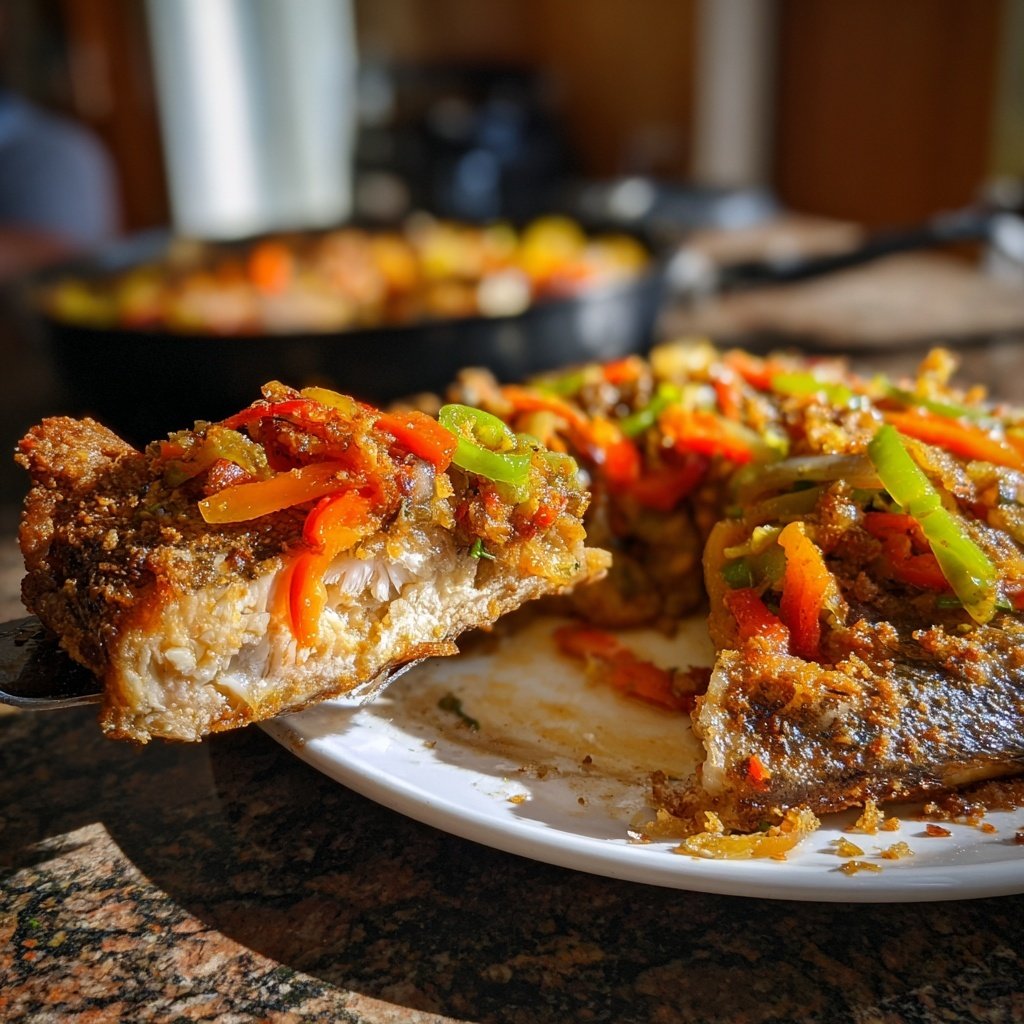
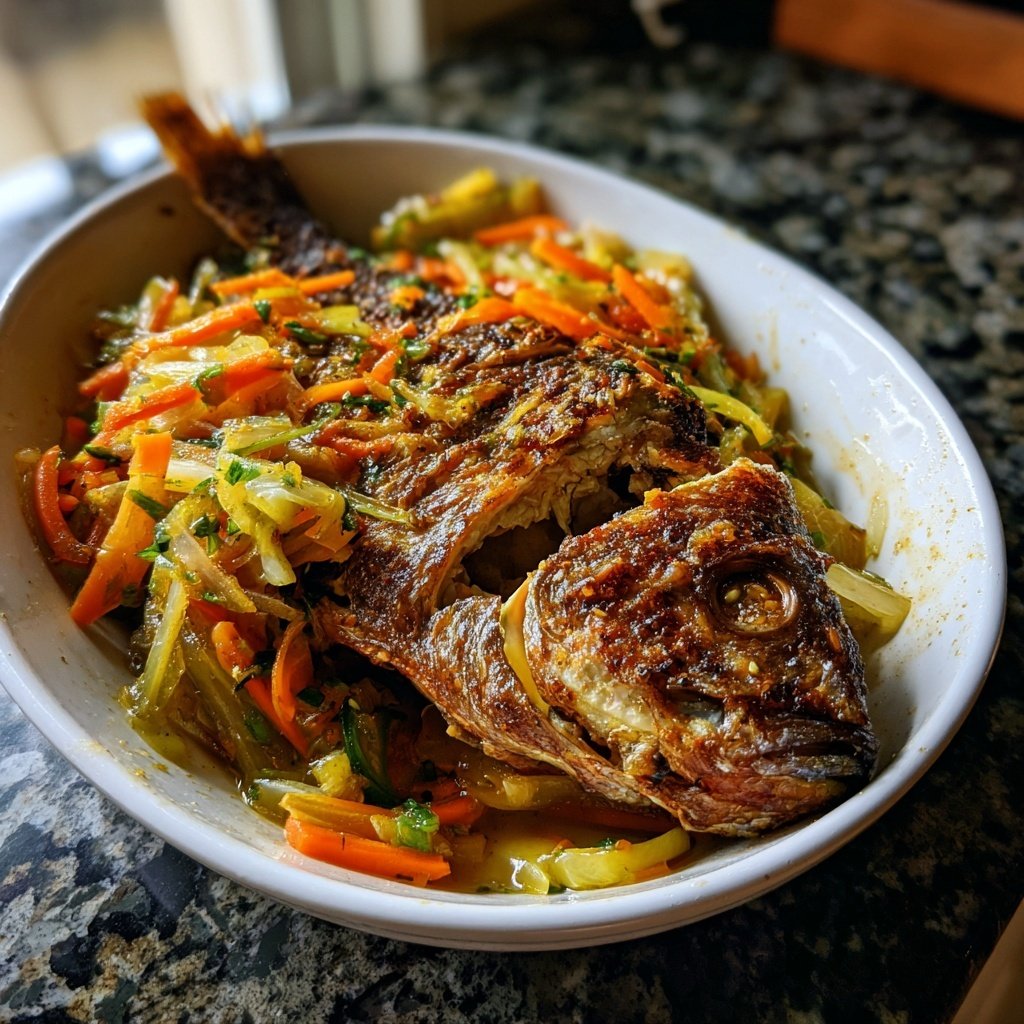
I had the pleasure of trying traditional Jamaican escovitch fish and was instantly captivated by its vibrant flavors and delightful crunch. The combination of crispy fried fish topped with pickled vegetables creates a dish that’s not only visually appealing but also bursting with taste. I love how the tangy vinegar enhances the fresh ingredients, making every bite refreshing. This dish is a staple in Jamaican cuisine, and I'm excited to share this recipe that is perfect for any gathering or a simple family dinner.
When I made this escovitch fish for the first time, the kitchen was filled with the tantalizing aroma of spices and fried fish. The secret to achieving that perfectly crispy texture lies in the double frying technique, which seals in the fish's moisture while giving it a delightful crunch. I experimented with various vegetables for the pickling, and I found that a mix of bell peppers and carrots added a wonderful color and flavor contrast.
As I served the dish, the vibrant colors and tangy scent made it a favorite among my family. I recommend allowing the pickled vegetables to sit for at least an hour to intensify their flavors. It’s a dish that brings people together, and the joy of sharing this meal is something I truly cherish.
Why You'll Love This Recipe
- Crispy texture that contrasts beautifully with tangy pickled vegetables
- Rich flavors inspired by authentic Jamaican spices
- Perfect for special occasions or a delicious everyday dinner
Perfecting the Fry
Achieving the ideal crispiness for your escovitch fish largely depends on the frying technique. For best results, use a heavy-bottomed frying pan to maintain consistent heat. Heat the vegetable oil to about 350°F (175°C) before adding the fish; this ensures a golden-brown crust forms quickly, locking moisture inside the fillet. Once you add the fish, avoid overcrowding the pan as this can lower the oil temperature, resulting in soggy fish instead of a crunchy exterior.
Monitor the fish closely while frying. Look for a golden color and a slight puffing of the fish; this indicates the coating is sealing correctly. Flip the fish gently with a spatula or tongs to avoid tearing the skin, frying for approximately 6-7 minutes on each side. Remember, the fish will continue to cook slightly after removing it from the oil, so don't overdo it in the pan.
Understanding Escovitch Sauce
The escovitch sauce is the heart of this dish, contributing to the vibrant flavor profile and refreshing tang. Vinegar is the primary component, and it not only enhances the vegetables' taste but also acts as a natural preservative. The combination of carrot, bell pepper, and onion adds a spectrum of colors and crunch, perfectly complementing the soft, flaky fish. Be sure to adjust the vinegar and sugar levels to balance the acidity to your taste; some might prefer a bolder tang.
When simmering the escovitch sauce, let it bubble gently to allow the vegetables to soften just enough while retaining their texture. A five-minute simmer balances the brightness of the vinegar without making the vegetables mushy. If you're looking for a variation, try adding sliced jalapeños for heat or a sprinkle of fresh herbs like thyme for added aroma.
Serving Suggestions
While escovitch fish is delightful on its own, serving it alongside traditional sides elevates the meal. Jamaican festival, a sweet fried dumpling, pairs wonderfully as its subtle sweetness complements the tangy sauce. Alternatively, rice and peas provide a hearty base, soaking up any extra escovitch sauce. I often serve my fish with a side of fresh mango salsa for a tropical twist that enhances the dish's flavor profile.
For leftovers, store the fish separately from the sauce to maintain texture. The flavors in the escovitch sauce deepen over time, making it even more delicious the next day. Reheat the fish in an oven at 350°F (175°C) for about 10 minutes to retain crunchiness before enjoying it again. Mixing up your serving presentation—like adding sprigs of fresh parsley or lime wedges—can also bring a new level of appealing aesthetics to your dish.
Ingredients
Before jumping into the cooking, gather all your ingredients to ensure a smooth preparation process.
For the Fish
- 4 whole snapper, cleaned
- 1 cup all-purpose flour
- 1 tsp salt
- 1/2 tsp black pepper
- Vegetable oil for frying
For the Escovitch Sauce
- 1/2 cup vinegar
- 1/2 cup water
- 1 carrot, julienned
- 1 bell pepper, sliced
- 1 onion, sliced
- 2 pimento seeds
- 1 tsp brown sugar
- Salt to taste
Make sure to follow each step carefully for best results.
Instructions
Once your ingredients are ready, it's time to get cooking!
Prepare the Fish
Rinse the cleaned snapper under cold water. Pat dry with paper towels. Season the fish inside and out with salt and black pepper. Dredge in flour, ensuring even coating.
Fry the Fish
Heat vegetable oil in a frying pan over medium heat. Once hot, carefully add the fish and fry until golden brown, about 6-7 minutes on each side. Remove and drain on paper towels.
Make the Escovitch Sauce
In a saucepan, combine vinegar, water, carrot, bell pepper, onion, pimento seeds, brown sugar, and salt. Bring to a boil, then simmer for 5 minutes. Remove from heat.
Assemble the Dish
Place the fried fish on a serving platter. Pour the escovitch sauce over the fish, making sure to cover it well. Let it marinate for at least 10 minutes before serving.
Serve
Enjoy the escovitch fish hot, ideally with a side of festival or rice and peas.
Don't rush this process; allowing the fish to marinate in the sauce enhances the flavors beautifully.
Pro Tips
- For added flavor, you can include sliced scotch bonnet pepper in the escovitch sauce for a spicy kick.
Customizing the Recipe
This escovitch fish recipe is versatile, allowing you to adapt it based on your preferences. If snapper isn't available, firm white fish such as tilapia or grouper can be excellent substitutes. Just ensure that the fish you choose has a sturdy texture to hold up during the frying process. For a gluten-free option, try using cornstarch instead of all-purpose flour for dredging; it crisps beautifully and won’t compromise flavor.
If you’re looking to reduce the oil usage, consider baking the fish instead. Brush it lightly with oil and bake at 400°F (200°C) for 20-25 minutes, flipping halfway through. While this method alters the traditional frying element, it still allows the essence of the escovitch preparation to shine through.
Storage and Reheating Tips
Leftover escovitch fish can be stored in an airtight container in the refrigerator for up to three days. However, be sure to keep the fish and the escovitch sauce separately to maintain the fish's crispiness. If you find you've made too much sauce, it can also be kept for a week; just remember to give it a good shake before serving, as the ingredients can settle.
When you're ready to enjoy leftovers, avoid microwaving the fish, which can make it rubbery. Instead, reheat the fish in a preheated oven at 375°F (190°C) for about 10 minutes, or until thoroughly heated. The sauce can be warmed in a saucepan, allowing it to revive its flavors while being gentle on the vegetables' texture.
Questions About Recipes
→ Can I use other types of fish?
Yes, you can use any firm white fish such as tilapia or grouper.
→ Is escovitch fish served cold?
It can be served warm or cold. Allowing it to marinate enhances the flavor, so it's often enjoyed cold.
→ How long can I store the leftover escovitch fish?
You can store it in the refrigerator for up to 2 days in an airtight container.
→ What can I serve with escovitch fish?
It's commonly served with festival, rice and peas, or a simple salad.
Traditional Jamaican Escovitch Fish
Created by: The Simplecooktips Team
Recipe Type: World Cuisine
Skill Level: Intermediate
Final Quantity: 4 servings
What You'll Need
For the Fish
- 4 whole snapper, cleaned
- 1 cup all-purpose flour
- 1 tsp salt
- 1/2 tsp black pepper
- Vegetable oil for frying
For the Escovitch Sauce
- 1/2 cup vinegar
- 1/2 cup water
- 1 carrot, julienned
- 1 bell pepper, sliced
- 1 onion, sliced
- 2 pimento seeds
- 1 tsp brown sugar
- Salt to taste
How-To Steps
Rinse the cleaned snapper under cold water. Pat dry with paper towels. Season the fish inside and out with salt and black pepper. Dredge in flour, ensuring even coating.
Heat vegetable oil in a frying pan over medium heat. Once hot, carefully add the fish and fry until golden brown, about 6-7 minutes on each side. Remove and drain on paper towels.
In a saucepan, combine vinegar, water, carrot, bell pepper, onion, pimento seeds, brown sugar, and salt. Bring to a boil, then simmer for 5 minutes. Remove from heat.
Place the fried fish on a serving platter. Pour the escovitch sauce over the fish, making sure to cover it well. Let it marinate for at least 10 minutes before serving.
Enjoy the escovitch fish hot, ideally with a side of festival or rice and peas.
Extra Tips
- For added flavor, you can include sliced scotch bonnet pepper in the escovitch sauce for a spicy kick.
Nutritional Breakdown (Per Serving)
- Calories: 450 kcal
- Total Fat: 30g
- Saturated Fat: 5g
- Cholesterol: 75mg
- Sodium: 800mg
- Total Carbohydrates: 25g
- Dietary Fiber: 2g
- Sugars: 6g
- Protein: 20g